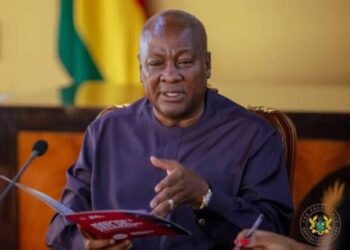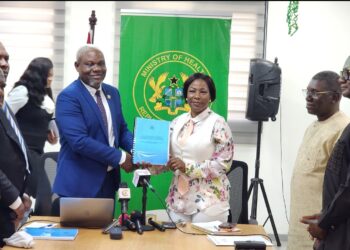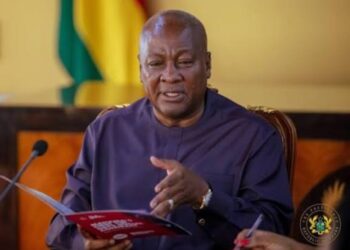


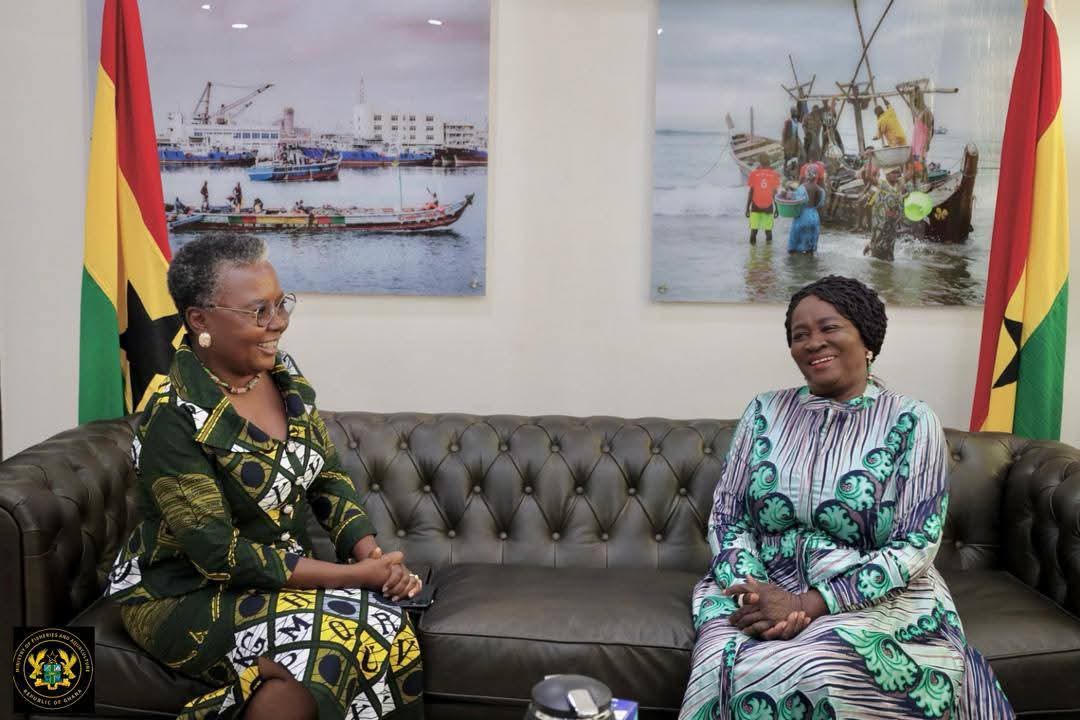
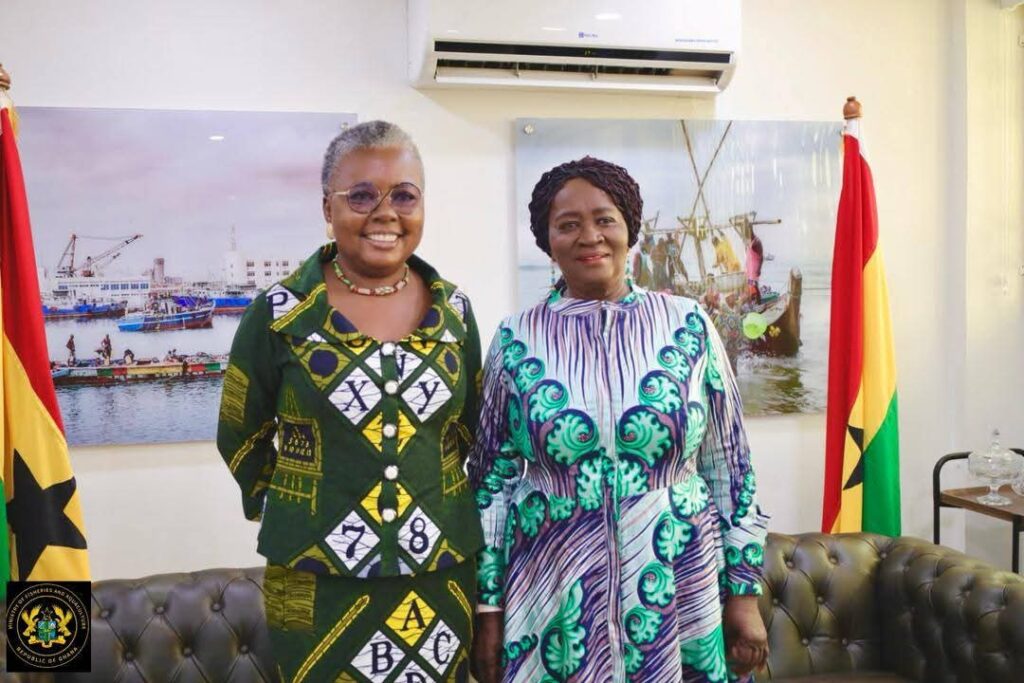
Vice President of the Republic, Professor Jane Naana Opoku-Agyemang, has paid a working visit to the Ministry of Fisheries and Aquaculture to receive briefings on the Ministry’s mandate, ongoing programmes, and key initiatives aligned with the Government’s National Reset Agenda.
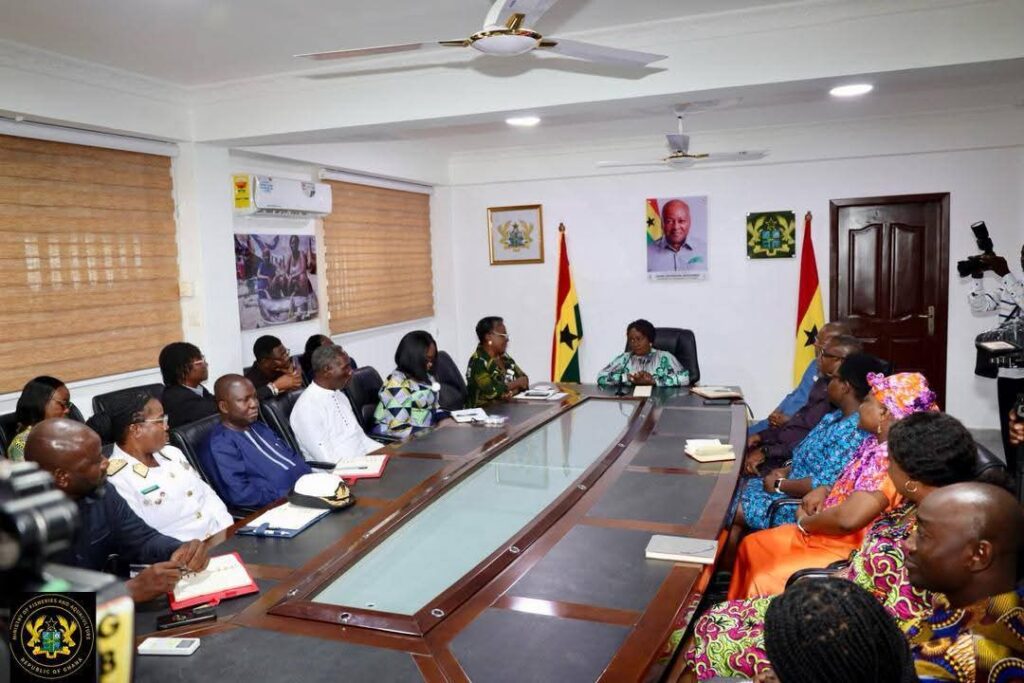
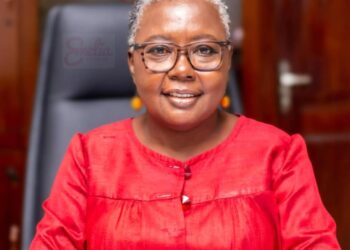
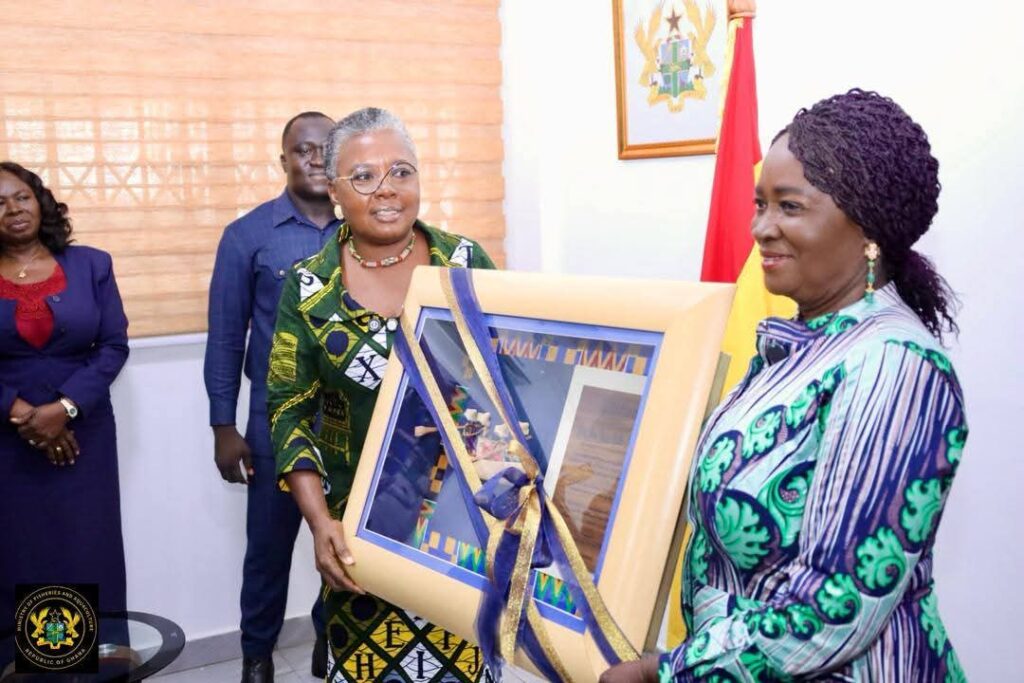
The Vice President was warmly welcomed by the Minister for Fisheries and Aquaculture, Hon. Emelia Arthur, together with management and staff of the Ministry. The visit provided an opportunity for the Ministry to present a comprehensive overview of its 2025 achievements and outline its strategic priorities for 2026, aimed at transforming Ghana’s fisheries and aquaculture sector into a sustainable and resilient pillar of national development.
In a detailed presentation, the Ministry highlighted major policy, legislative, and institutional milestones achieved in 2025. These included the passage of the Fisheries and Aquaculture Act, 2025 (Act 1146), which provides a strengthened legal framework for sustainable fisheries management, as well as the development and approval of the National Blue Economy Strategy, positioning Ghana to harness the full economic potential of its ocean, coastal, and inland water resources.
The Ministry also reported the ratification of the World Trade Organization (WTO) Agreement on Fisheries Subsidies, reinforcing Ghana’s commitment to combating illegal, unreported, and unregulated (IUU) fishing. Another landmark achievement was the approval for the establishment of Ghana’s first Marine Protected Area (MPA) in the Greater Cape Three Points Area, a significant step towards biodiversity conservation and the protection of critical fish stocks.
Progress was also made in inland fisheries and capacity building, with the development of a draft Inland Fisheries Management Plan, and the 70 per cent completion of the Anomabo Fisheries College, alongside the development of its draft curriculum and governance structure. Additionally, 351 Landing Beach Committees (LBCs) were reconstituted and inaugurated nationwide to strengthen grassroots governance in the fisheries sector.
To support artisanal fishers, the Ministry supplied 28,755,500 litres of premix fuel to landing beach committees across both marine and inland sectors between February and November 2025. The Ministry also onboarded five additional Bulk Distribution Companies (BDCs) and facilitated the payment of GH₵91.2 million in legacy under-recovery debts owed to BDCs. Furthermore, the number of automated premix fuel dispensing sites was expanded from 42 to 57 across the country.

Other key interventions included the establishment of the Blue Economy Commission and related institutional arrangements, the procurement and distribution of approved fishing nets and outboard motors to support artisanal fishers, the resourcing of the Fisheries Enforcement Unit, and the construction of regional and zonal offices of the Fisheries Commission.
The Ministry also underscored its strong collaboration with international development partners such as Oceana, Blue Ventures, Ocean 5, Bloomberg Ocean Initiative, and the University of British Columbia, among others, in advancing sustainable fisheries management and ocean governance.
Vice President Opoku-Agyemang commended the Ministry for the breadth of work undertaken and emphasized the importance of fisheries and aquaculture to food security, livelihoods, and economic growth. She encouraged continued innovation, transparency, and stakeholder engagement to ensure that the sector contributes meaningfully to national development under the National Reset Agenda.
The visit reaffirmed Government’s commitment to building a sustainable, inclusive, and economically vibrant fisheries and aquaculture sector for the benefit of present and future generations.
source:www.senaradioonline.com