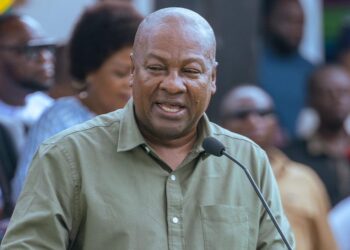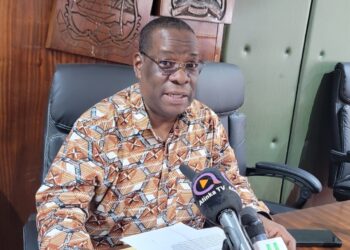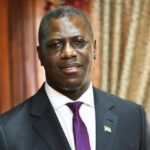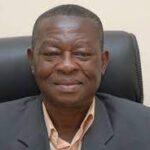


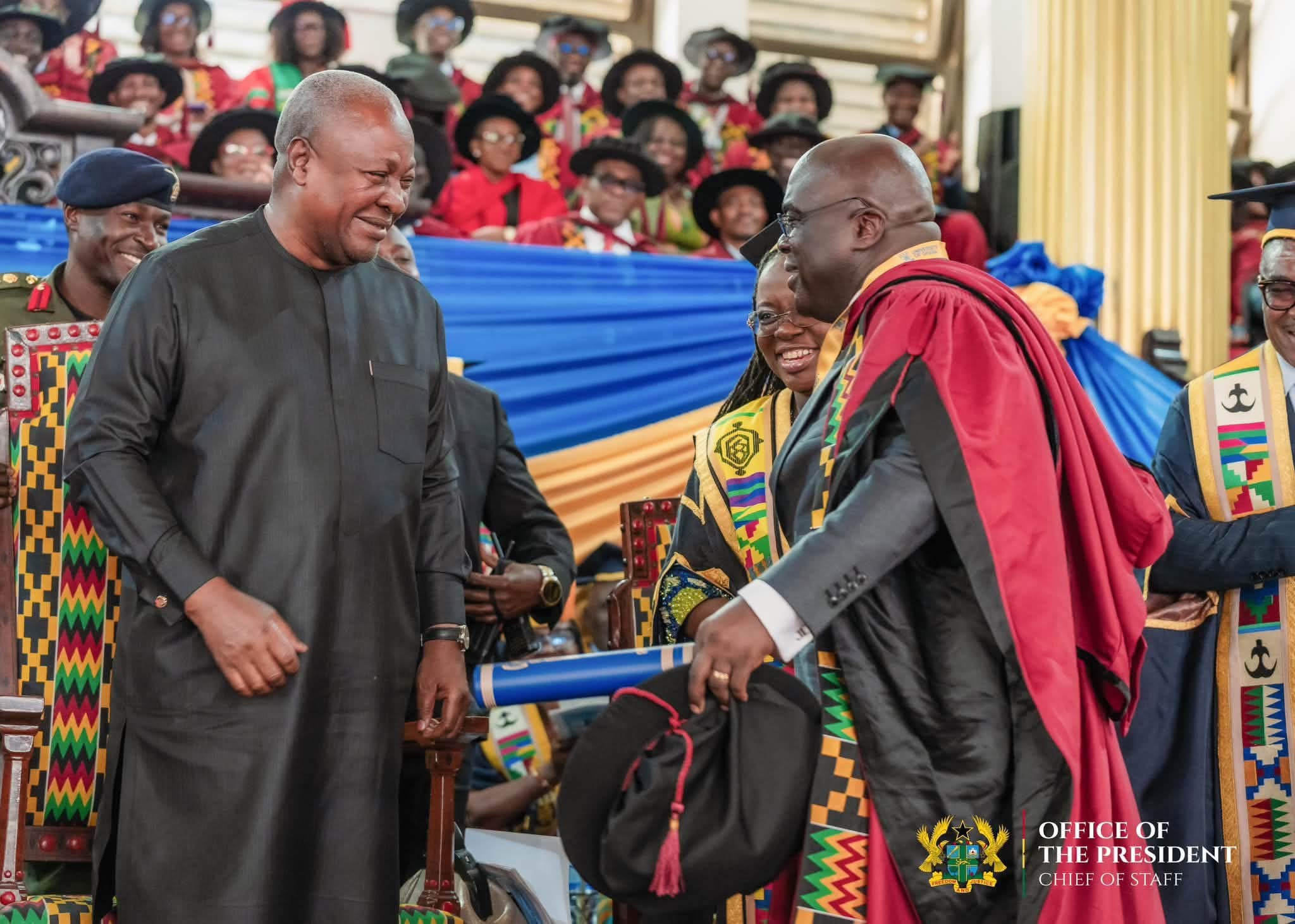
Chief of Staff, Samuel Julius Derbrah has expressed gratitude to Ghanaians over celebrating his him for attaining his doctorate degree.
This was contained in a statement issued by Dr. Julius Derbrah on his Facebook wall
Below is the statement
I would like to express my profound gratitude to all those who, in one way or another, have contributed to my academic journey and progression to the doctoral level. I respectfully dedicate this thesis to H.E. John Dramani Mahama and his dear wife, Mrs Lordina Dramani Mahama , whose exemplary commitment to leadership, service, and national development continues to inspire me.
I am particularly indebted to my beloved wife, Mrs Victoria Debrah, and my dear children, for their patience, understanding, sacrifices, and unwavering support throughout the course of my studies. Their encouragement and steadfast belief in me have been an invaluable source of strength and motivation. I am equally grateful to my siblings for their constant support, prayers, encouragement, and goodwill throughout this academic journey.
I owe a special debt of gratitude to my Principal Supervisor, Professor Kodzo Gavua, and to the other members of my Thesis Supervisory Committee, Professor Benjamin Kankpeyeng and Dr Pascall Taruvinga, for the considerable time, expertise, and energy they invested in guiding and directing this research. Their insightful counsel, constructive criticism, intellectual support, and encouragement were instrumental in bringing this work to completion.
I am also deeply grateful to the members of my field research team for their dedication, commitment, and invaluable assistance throughout the fieldwork. I particularly appreciate their resilience and willingness to endure the often challenging conditions of the field while providing the support necessary for the successful completion of the research.
My sincere appreciation also goes to all faculty members and students of the Department of Archaeology and Heritage Studies at the University of Ghana for the knowledge, ideas, and experiences they generously shared with me, and for creating a collegial, intellectually stimulating, and supportive environment in which to pursue my studies.
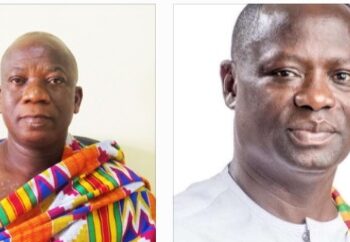
I am profoundly grateful to the chiefs, queen mothers, elders, and people of Kwahu who generously contributed to this research. In particular, I wish to acknowledge Nana Effah Opinimang III, Chief of Obomeng, Nana Kwasi Opoku Minta II, Chief of Kwahu Tafo, and Nana Akyemfour Asiedu Agyemang III, Chief of Abetifi. I also extend my sincere appreciation to all the individuals who participated in my field research and generously shared their time, knowledge, experiences, and insights with me. Their contributions were invaluable to the development and completion of this study.
Finally, I gratefully acknowledge the Andrew W. Mellon Foundation for funding my doctoral programme through the Remaking Societies, Remaking Persons (RSRP) supranational project, under which I had the privilege of serving as a Research Fellow at the University of Ghana. This support provided an invaluable opportunity for my academic and intellectual development and made an important contribution to the successful completion of this doctoral journey.
To everyone who contributed, whether through academic guidance, intellectual engagement, material support, encouragement, prayer, friendship, or personal sacrifice, I offer my deepest and most heartfelt gratitude. This achievement is not mine alone; it reflects the generosity, support and confidence of the many individuals and institutions who accompanied me on this journey.
In the words of President John Dramani Mahama, “This achievement is a powerful reminder that learning is a lifelong pursuit.”
I remain profoundly grateful to you all.