

Tuberculosis (TB) remains a major public health challenge in Ghana, with an estimated 76,000 people living with the disease and over 9,700 annual deaths. Despite a 20% treatment success rate improvement since 2000, roughly 60–70% of cases remain undiagnosed or untreated. The government is actively enhancing detection through digital X-rays
Given the expensive nature of TB treatment in Ghana and the fact that it remains a major public health issue in the country, experts believe there was therefore an urgent and concerted political will to be able to stem the disease.
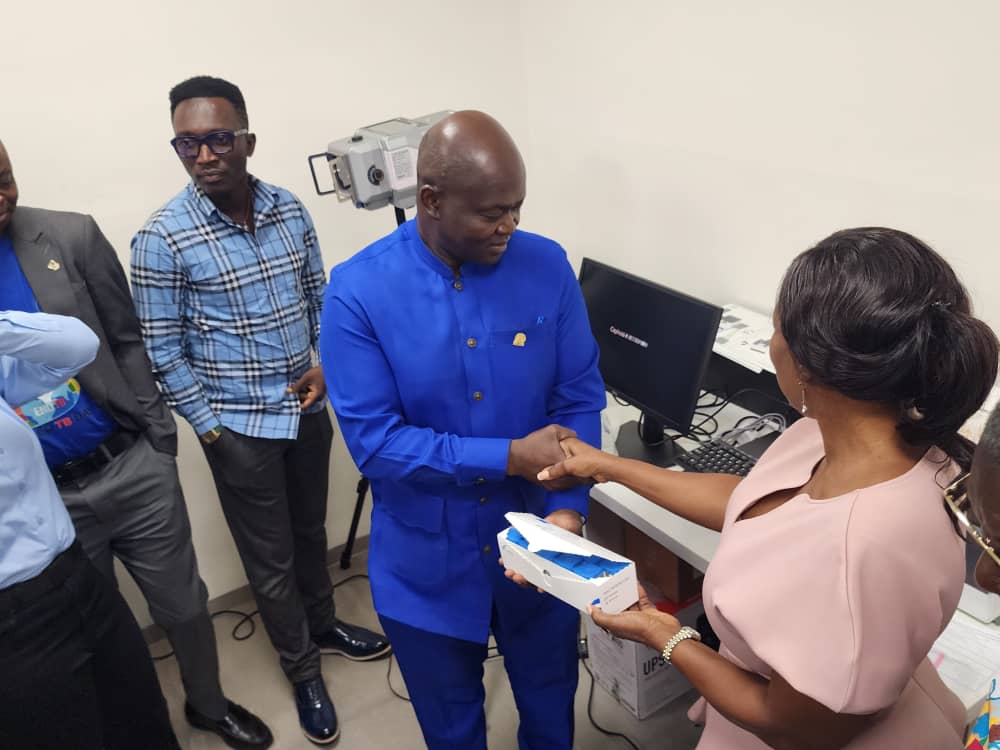
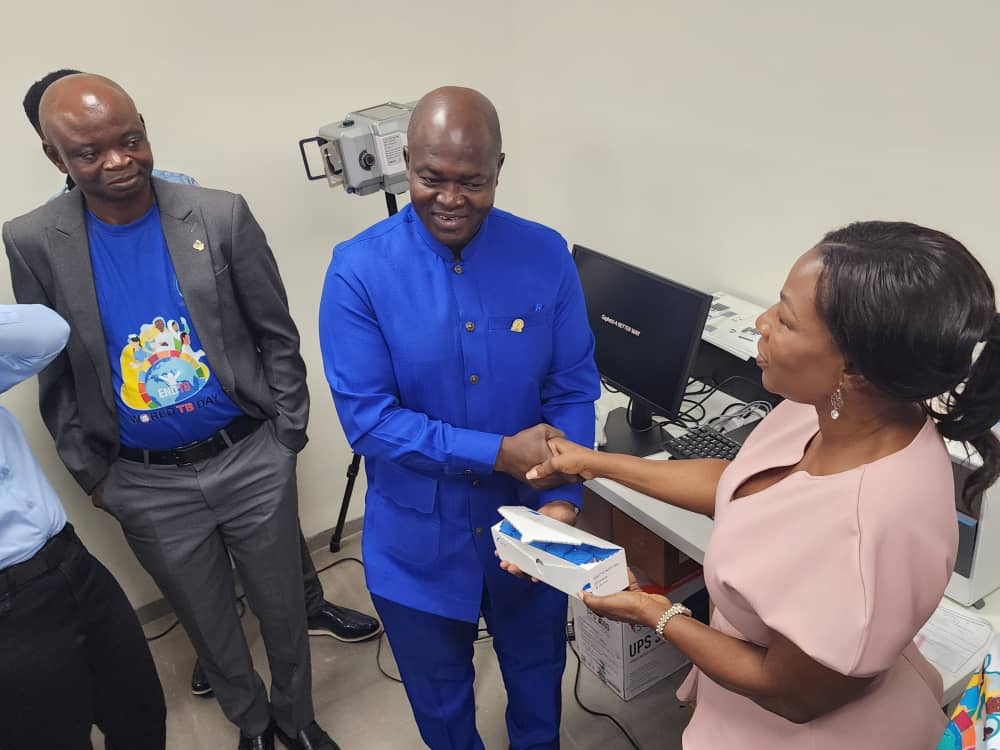
Deputy Minister for Health Prof. Grace Ayensu Danquah presenting the TB equipment to Director General of th3 Ghana Health Service (GHS), Dr. Samuel Kaba Akoriyea
It is against this background that the Director General of th3 Ghana Health Service (GHS), Dr. Samuel Kaba Akoriyea believes that the introduction of Free Primary Health Care(FPHC) policy by government to be launched on April 6, will help reduces TB cases in the country.
Speaking at the National Commemoration of World TB Day 2026 under theme: “YES! We Can End TB! Led By Countries, Powered by People”, the Director General emphasized that with the introduction of FPHC, the issues of undetected and undiagnosed cases of TB will be reduced dramatically if not eliminated.
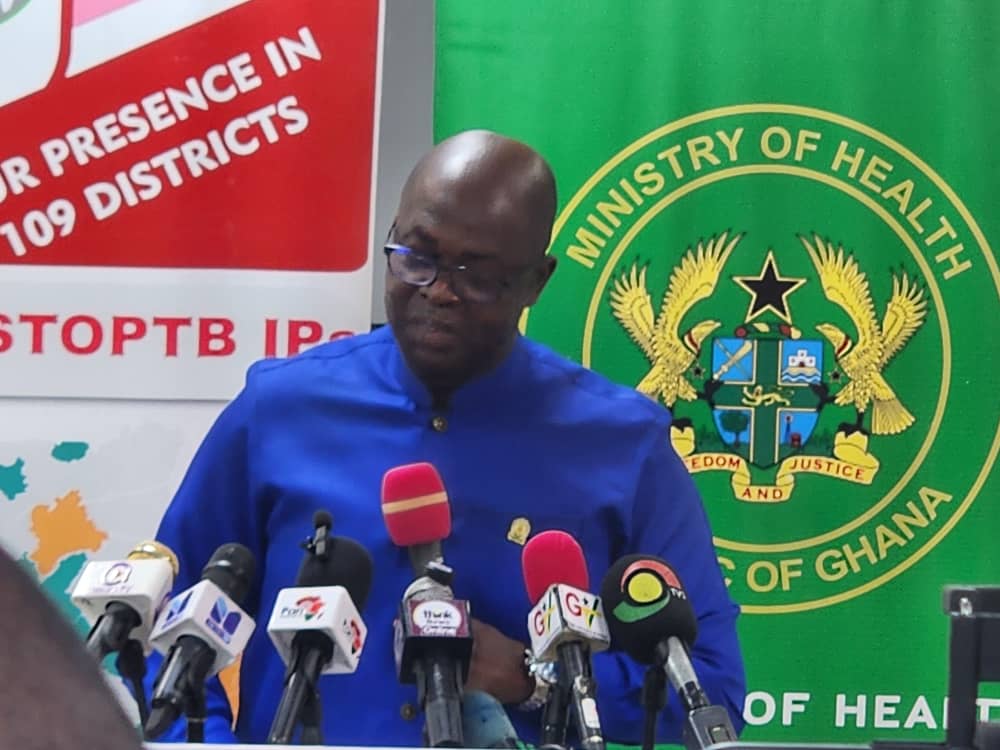
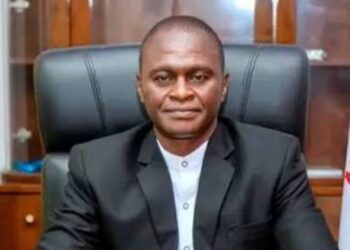
Director General of th3 Ghana Health Service (GHS), Dr. Samuel Kaba Akoriyea
This occasion is particularly significant as Ghana will be launching our Free Primary Health Care which focuses on prevention and promotion.
And in line with this and in line with the reset agenda, we are hopeful to achieve more with the introduction of the Free Primary Health Care to Free Ghanaians from the very expensive treatment of TB”, Dr. Kaba stressed.
He however indicated that over the past 3 years, the case detection target achievement in Ghana has increased from 77.7% in 202e and sustained above 90% in 2024 and 2025.
As the first Neuro Surgeon who pioneered the first TB of the surgery in TB Patient in Ghana 22 years ago, the Director General was hopeful that Ghana can end TB.
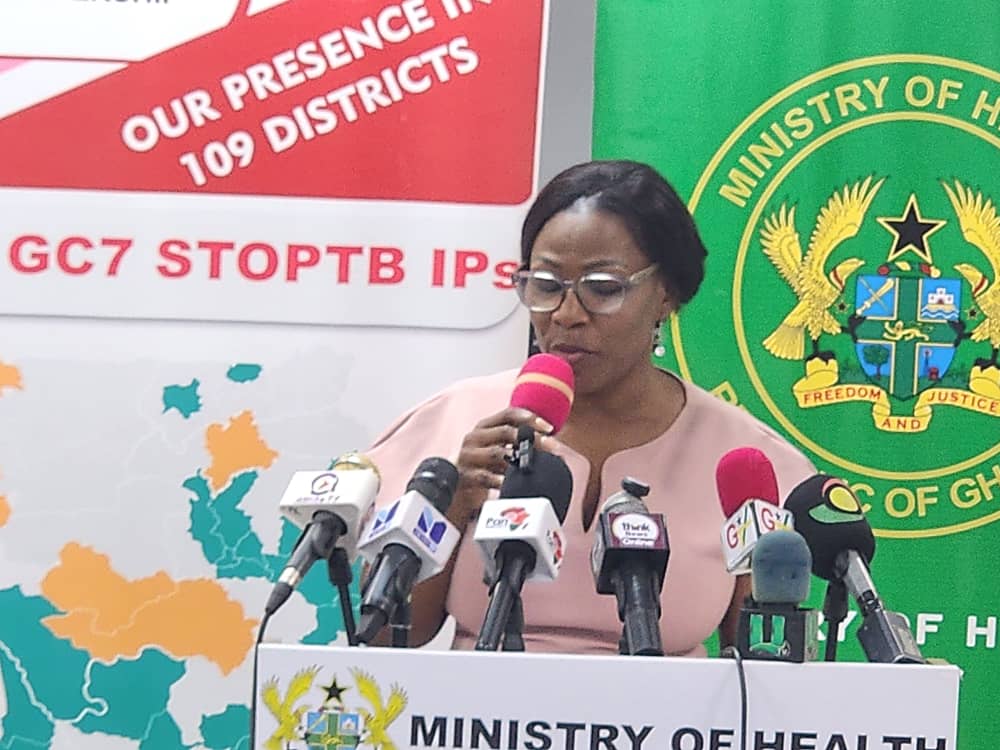
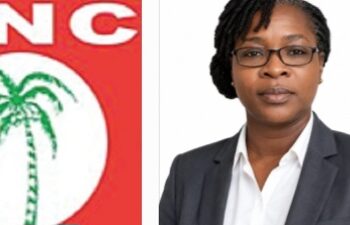
Deputy Minister for Health Prof. Grace Ayensu Danquah
He said its been about 143 years since the discovery of TB and that we should be able to end the disease rather than passing the baton to next generation.
“We should not allow our children to inherit out challenges”, Dr. Kaba advised.
He later expressed the commitment of the GHS to intensify the campaign against ending TB I Ghana.
On her part, the Deputy Minister for Health Prof. Grace Ayensu Danquah revealed that about 44,000 Ghanaians develop TB every year yet only 20,000 people are detected.
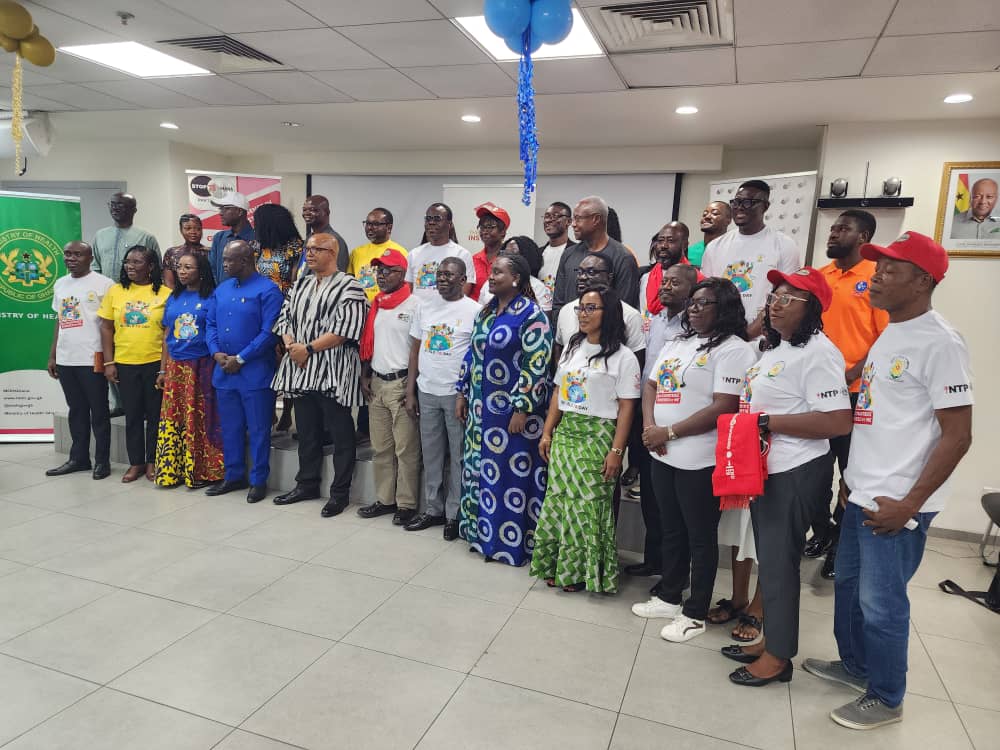
She described the situation as worrying stating that it is the view of government that all TB Patients will be detected and placed on treatment in order to prevent the transmission of the disease from patients to communities.
According to her government is committed to strengthening the TB response in Ghana by allocating medical equipment to fight the disease.
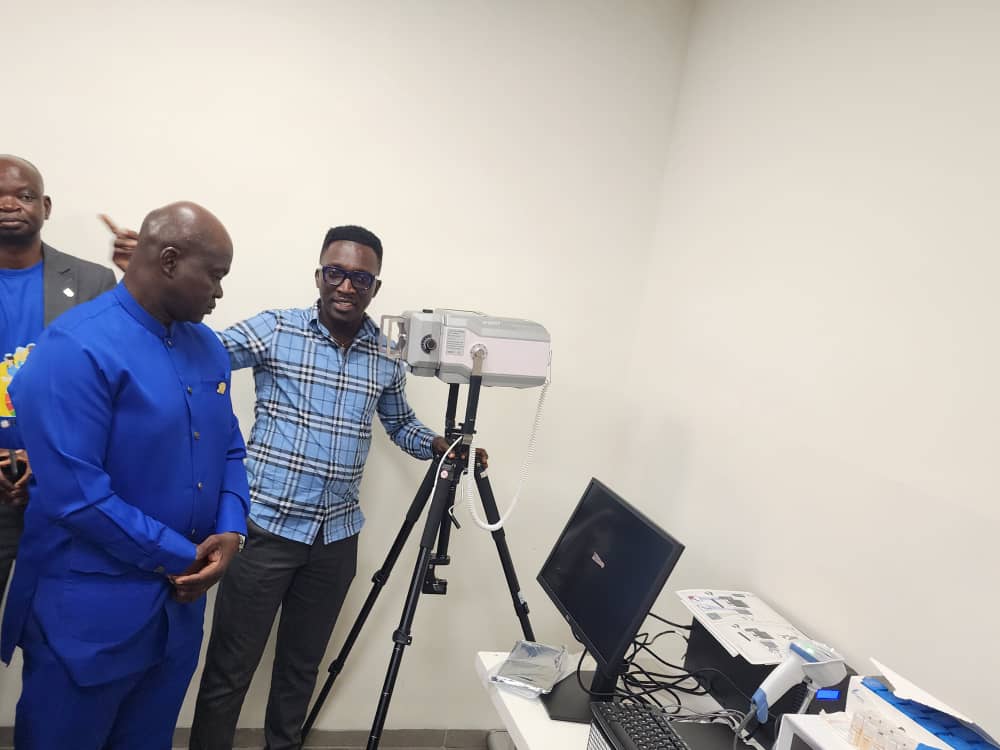
The TB equipment donated by the Deputy Minister
In view of that, the Minister donated a GenXpert machine and an AI enabled X-ray machines for the detection and treatment of TB.
Partners included the WHO, UNICEF, Stop TB Partnership, TB Voice and Aurum, all of whom expressed their unflinching support in ending TB in Ghana.
Source :www.senaradioonline.com