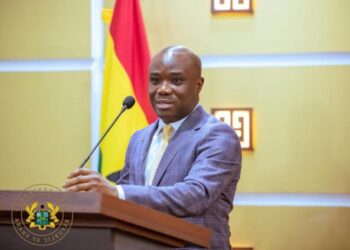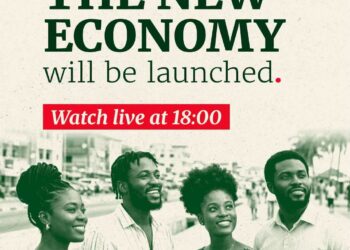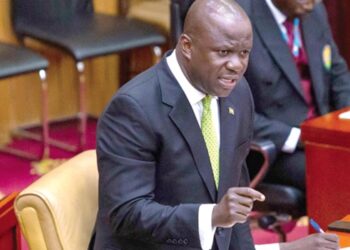


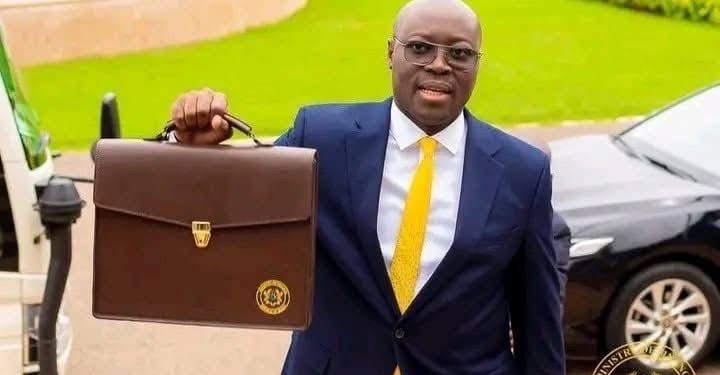
When Finance Minister Dr. Cassiel Ato Forson walked into Parliament last Thursday, 12 November 2026, with the brown leather briefcase bearing the Ministry of Finance seal, the 2027 Budget was presented as “The New Economy, New Ghana: Jobs and Prosperity.”
But comments on TV, radio, and social media, across pointed to a recurring phrase: a budget of hope.
For government supporters, the hope is not in a fancy name, but in what they say has already changed.
In his presentation, Dr. Forson told Parliament that “stability has returned, confidence is back, and Ghanaians can breathe again” — after what he described as emerging from “the most painful economic crisis in our history.”
That line became the emotional centre of the story for many Ghanaians online. In comments on his own page, supporters praised him as “the best FM in our history” while others used the moment to make direct appeals — for recruitment of teachers, nurses and environmental health officers, for rent allowances to be paid, for jobs for graduates sitting at home.
Before the budget was even read, that expectation was already building. On Forson’s announcement post, commenters listed what hope should look like in practice: “Jobs Jobs Jobs for the youths,” teacher recruitment, support for agriculture, and roads and hospitals.
The budget itself tried to answer with numbers:
- GH¢189.2 billion in planned spending against GH¢153.4 billion in projected revenue, leaving a GH¢35.8 billion gap • A “no new taxes” pledge, with revenue to come from stricter enforcement • GH¢61 billion for interest payments alone, but a promised primary surplus of at least 0.5% of GDP from 2027 • A US$10 billion New Economy programme over four years, built on eight pillars including commercial agriculture, energy, critical minerals, tourism, textiles, pharmaceuticals and technology .
The MP who made the “hope” argument explicit
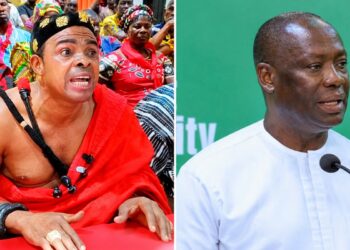
Speaking on TV3’s Keypoints on 14 November 2026, Sagnarigu MP Attah Issah defended Forson’s budget as one that “offered hope for the future” — precisely because it did not rely on a catchy name.
He reminded viewers of the parade of names under the previous NPP government:
“In 2017, we had a budget called Asempa Budget, meaning the Good News Budget. In 2018, we had Ejumapapa Budget. In 2019, we had Mpuntuɔ Budget… In 2020, we had Anidaso Budget, Hope.”
Hon Atta Issah argued that thise budgets had beautiful names — Asempa, Anidaso, Agyenkwa, Nkunim — but ended, with high inflation, high cost of living, expensive borrowing, and about 14% unemployment.
“We are not seeing that of Dr Ato Forson coming with these fanciful names,” he said.
For Issah, the 2027 budget’s hope was backed by macroeconomic stability already achieved, not just promised.
“That history matters in Ghana. Budget nicknames have become part of the national story — from Asempa (Good News) to Anidaso (Hope) in 2020, to Agyenkwa (Saviour) and Nkunim (Victory). The 2027 edition is officially the New Economy Budget”, the Sagnarigu MP emphasized.
The argument by the MP has been accentuated by Ghanaians on social media who believed the Minister for Finance is walking the talk describing him and government as saviours.